
Why TikTok Ads work for ecommerce and DTC
TikTok rewards attention, and ecommerce thrives on attention. When a product video stops a thumb mid-scroll, the platform serves it to more users, the cost per impression drops, and a winning creative can carry an entire ad account. Unlike Meta, where audience targeting still matters, TikTok essentially targets by creative. The right ad finds the right buyer because the algorithm watches who completes the video, taps the profile, or clicks the product tile. For DTC brands with strong visual products, that mechanic turns into compounding ROAS once a winner is found.
The Spark Ads advantage
Spark Ads let you boost an organic creator post as an ad while keeping the original handle, comments, likes, and view count attached. Buyers see a real creator endorsement, not a polished brand ad, and the engagement signals already on the post become social proof that improves performance. Brands that lean into Spark Ads with multiple creators in rotation consistently outperform brands that run native studio-produced video. Spark is the closest thing TikTok has to a structural unfair advantage for DTC.
TikTok Shop turns the feed into a checkout
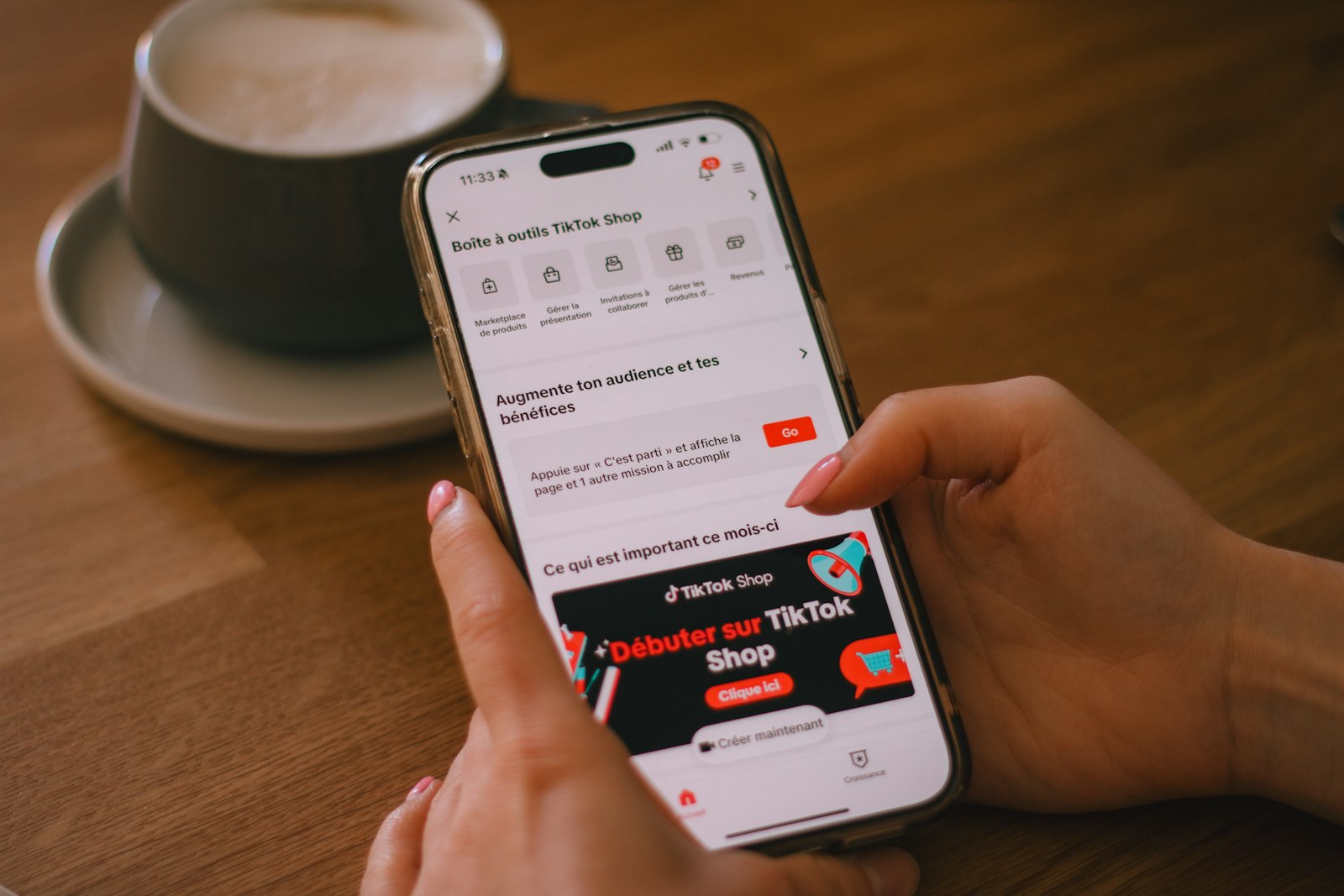
TikTok Shop has compressed the funnel from awareness to purchase into a single scroll. Tagged products inside videos let users buy without leaving the app, and ads pointed at TikTok Shop SKUs benefit from lower friction and a native checkout that the algorithm prefers. For ecommerce brands selling under one hundred dollars per unit, TikTok Shop campaigns paired with affiliate creators can spin up a self-sustaining sales engine that does not depend on a brand website at all.
Creative testing is the entire game
On TikTok, creative is the new audience. The brands that win build a creative testing operation that ships ten to thirty new ad variations per week, kills the losers fast, and pours budget into the one or two winners. That means raw UGC from creators, hook variations, cut-down product demos, voiceover-driven listicles, and the constant search for a new pattern interrupt. Brands that run two ads per month on TikTok and complain about results are usually losing the volume game, not the creative game.
UGC is the highest-leverage ad format
User-generated content out-performs studio content on TikTok almost without exception. A creator filming a vertical, lo-fi product review in their kitchen will outperform a six-figure brand ad shot with a crew. DTC brands that build a roster of paid UGC creators, brief them tightly, and republish the best output as Spark Ads have a repeatable creative supply chain that scales with budget. UGC ads also age better, because the platform treats them as native content rather than interruption.
The ad account structure that scales
Most DTC TikTok accounts overcomplicate structure. The simplest setup that works is a broad prospecting campaign with a single ad group, complete value optimization, and a stack of ten to twenty creatives rotating in and out based on performance. Retargeting can live in a separate, lower-budget campaign aimed at video viewers and profile visitors. Layering interest targeting, lookalikes, and narrow demographics on top usually limits the algorithm rather than helping it. Feed the system signal, feed it creative, and let it find buyers.
How Social Signals Marketing runs TikTok Ads for ecommerce
Social Signals Marketing helps ecommerce and DTC brands turn TikTok Ads into a primary acquisition channel. We produce the UGC, manage the creator partnerships for Spark Ads, structure the ad account for scale, and obsess over creative testing volume. Our clients ship more creative, find winners faster, and grow paid revenue without a Meta-only dependency.
Want TikTok Ads built for ecommerce growth? Explore our paid advertising services, review client results, or contact Social Signals Marketing.